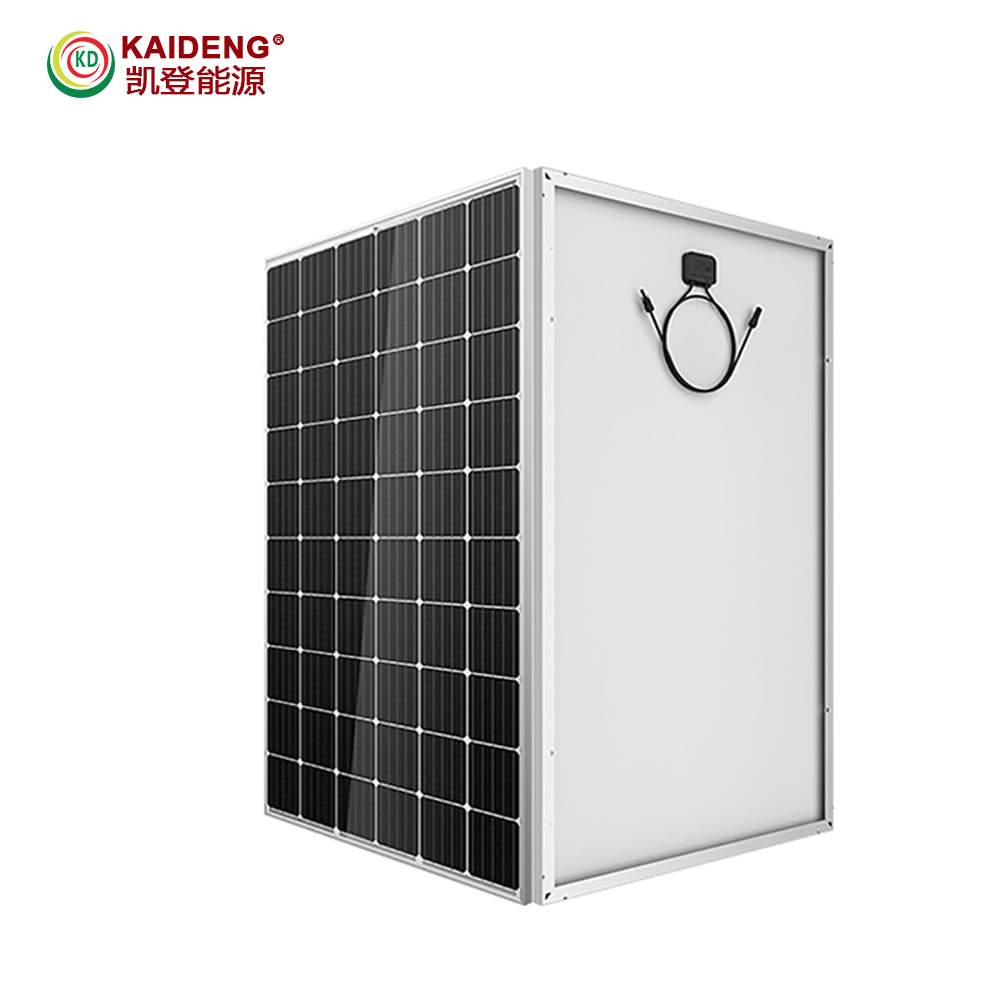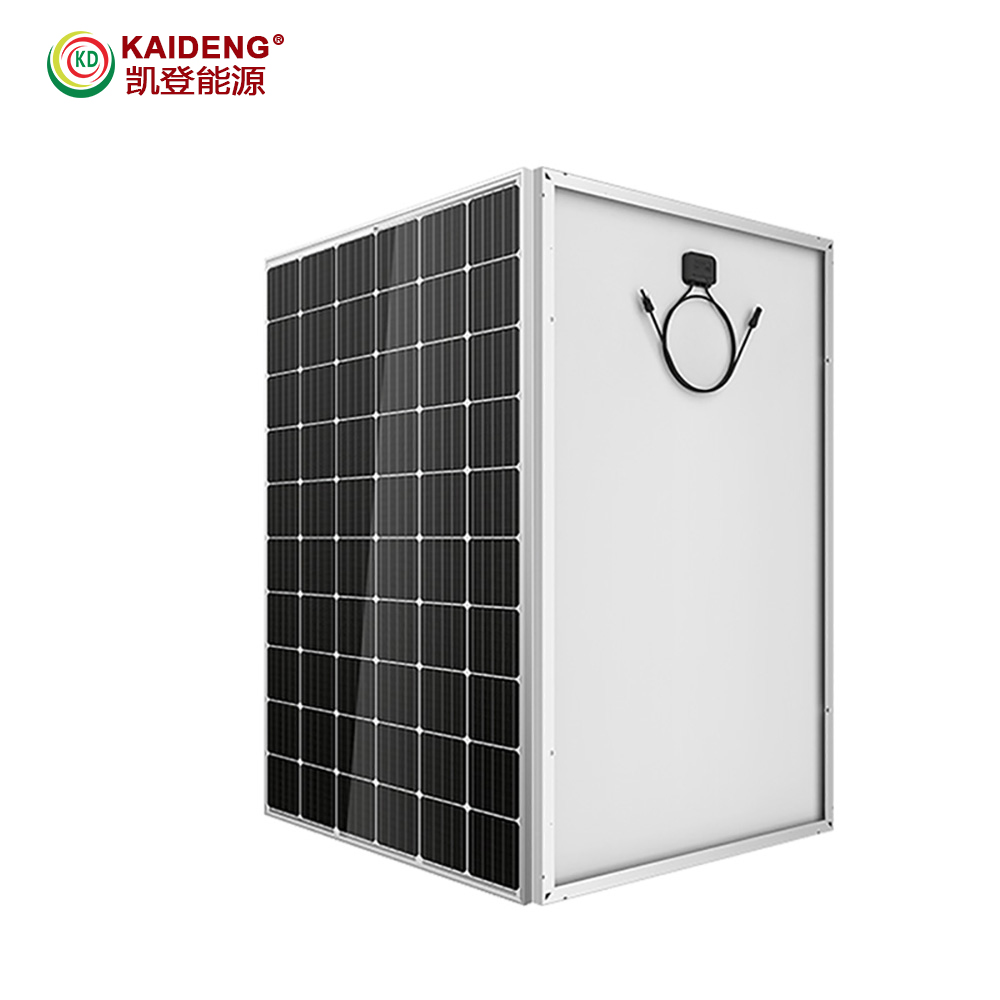
Solar panel polycrystalline silicon is a common solar cell material with wide applications. Polycrystalline silicon is composed of multiple crystal particles, and the properties of polycrystalline silicon are determined by the grain boundaries and grains. The production process of polycrystalline silicon mainly includes steps such as raw material extraction, refining, crystal growth, and cutting processing.
In solar cells, polycrystalline silicon panels are key components that carry solar cells and can convert sunlight into electrical energy. Polycrystalline silicon has high energy efficiency, long lifespan, and strong reliability, and is currently one of the main materials used in the production of solar cells. At the same time, polycrystalline silicon also has advantages in environmental protection, as the production process does not require a large amount of energy consumption, reducing environmental pollution.
In the solar energy industry, there are more and more manufacturers of polycrystalline silicon panels, and there are differences in performance and quality among different brands of solar panels. Therefore, selecting the appropriate polycrystalline silicon panel has an important impact on the performance and lifespan of solar power generation systems.
With the rapid development of the solar energy industry, the application scope of polycrystalline silicon panels is also constantly expanding. From household solar power generation systems to large-scale commercial solar power projects, polycrystalline silicon panels have a wide range of applications. In the future, with the continuous advancement of technology and the reduction of costs, polycrystalline silicon solar panels will play a greater role in the field of clean energy.
Overall, polycrystalline silicon solar panels, as an important material for solar cells, have advantages such as high energy efficiency, long lifespan, strong reliability, and environmental protection. They are an indispensable component of solar power generation systems and are of great significance for promoting the development of clean energy.