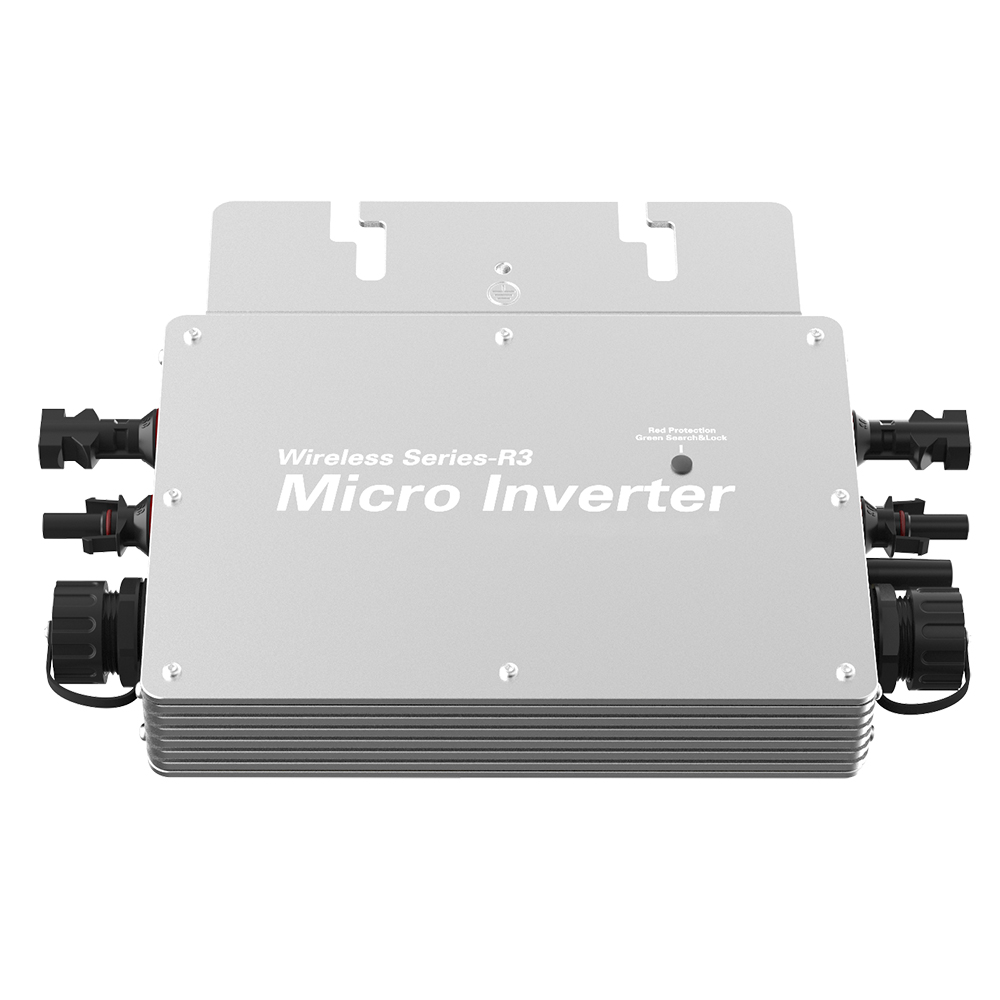
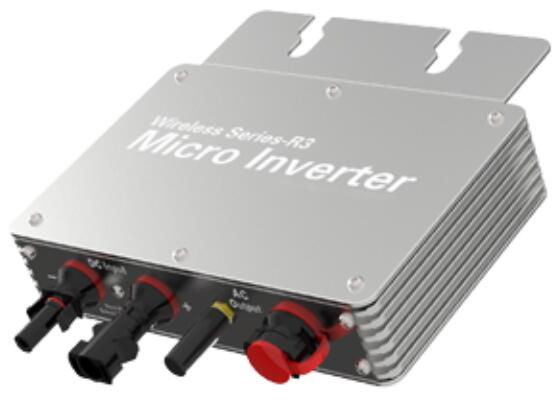
To improve the energy efficiency and power density of solar inverters, it is first necessary to optimize the design and manufacturing of the inverters. Here are a few ways:
1. Select efficient components and materials: Select efficient IGBT, MOSFET and other power devices to reduce switching losses and improve conversion efficiency. At the same time, select good quality electrolytic capacitors and inductors to reduce losses and improve the performance of the inverter.
2. Optimize the topology of the inverter: Using a suitable topology, such as full-bridge topology, half-bridge topology, etc., can improve the conversion efficiency and power density of the inverter. Through rational design of circuit structure, the loss of power components is reduced and the overall performance is improved.
3. The use of advanced control algorithms: the use of advanced control algorithms, such as space vector modulation, MPPT tracking control, can effectively improve the efficiency and performance of the inverter. Reduce switching losses and improve energy efficiency through precise control.
4. Optimized heat dissipation design: the inverter will produce a certain amount of heat when working, and the optimized heat dissipation design can effectively reduce the temperature rise and improve the power density of the inverter. Use efficient heat sinks, fans and other cooling equipment to keep the inverter in the appropriate operating temperature range.
5. Improve the stability and reliability of the inverter: the inverter needs to have good stability and reliability in actual operation, so various environmental factors and working conditions should be considered in the design and manufacturing process to ensure that the inverter can work normally and stably under various circumstances.
Through the integrated application of the above methods, the energy efficiency and power density of solar inverters can be effectively improved to achieve more efficient solar energy utilization. At the same time, with the continuous development of science and technology, the design and manufacturing technology of inverters is also improving, and there will be more new methods and technologies to improve the performance and efficiency of inverters in the future.